
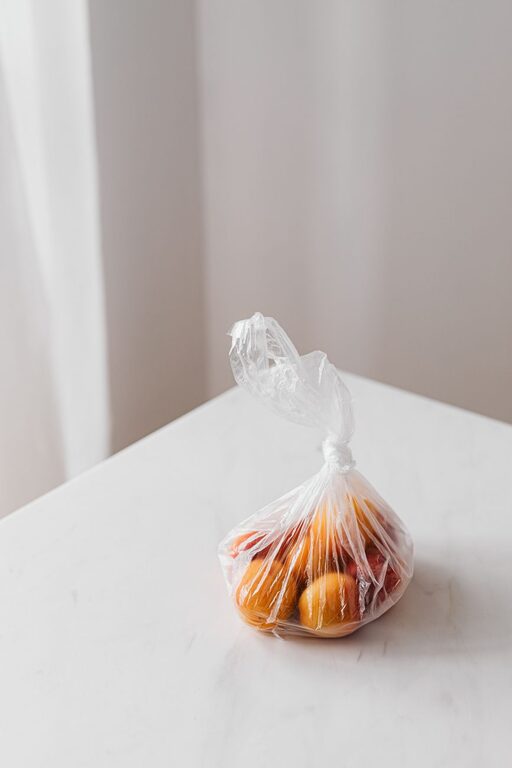
Reducing food waste at home is a vital step towards saving money and protecting the environment. Every year, millions of tonnes of food are discarded unnecessarily, contributing to greenhouse gas emissions and wasting valuable resources. Fortunately, by making a few mindful changes in your daily routine, you can significantly reduce the amount of food you throw away. Here are practical ways to help you get started.
Why Reducing Food Waste Matters
Food waste doesn’t only impact your wallet. It also affects the planet by wasting water, land, and energy used in food production. Moreover, decomposing food in landfills produces methane, a potent greenhouse gas. By reducing food waste, you contribute to a more sustainable food system.
Plan Your Meals and Shopping
One of the most effective ways to cut food waste is by planning meals and shopping smartly.
Make a Weekly Meal Plan
Before you shop, take some time to plan your meals for the week. This helps you buy only what you need and reduces impulse purchases that might go unused.
Create a Detailed Shopping List
Based on your meal plan, write a shopping list and stick to it. Avoid buying extra items just because they are on offer unless you are sure you will use them.
Shop with Smaller, More Frequent Trips
Instead of stocking up heavily in one go, consider shopping more frequently in smaller amounts. This can help you buy fresher produce and reduce spoilage.
Store Food Properly
Proper storage can extend the life of your groceries and keep food fresh longer.
Understand Storage Requirements
Different foods require different storage conditions. For example, keep potatoes and onions in a cool, dark place, while most fruits and vegetables benefit from refrigeration.
Use Airtight Containers
Storing leftovers and opened packages in airtight containers helps maintain freshness and prevents contamination.
Label and Date Leftovers
When you store cooked food, label it with the date to remind yourself when to eat it before it goes bad.
Use Leftovers Creatively
Leftovers are often the biggest source of food waste. Instead of throwing them away, try to use them in new meals.
Repurpose Leftovers
For example, roast vegetables can be added to soups, sandwiches, or salads. Cooked rice can become a fried rice dish the next day.
Freeze Excess Food
If you don’t plan to consume leftovers soon, freeze them for future meals. Most dishes freeze well and thaw quickly.
Practice Portion Control
Preparing or serving more food than needed often results in waste.
Serve Smaller Amounts
Start with smaller servings and go back for seconds if still hungry. This avoids uneaten food on plates.
Adjust Recipes
Modify recipes to cook amounts that suit your household size, especially when cooking for one or two people.
Understand Food Dates
Misinterpreting food date labels can lead to discarding perfectly edible food.
“Best Before” vs “Use By”
“Best before” dates indicate quality, not safety. Food can be safe to eat after this date if stored correctly. “Use by” dates are about safety; food should not be consumed after this date.
Use Your Senses
Smell, look, and taste food carefully to judge freshness rather than relying solely on date labels.
Compost Food Scraps
Some food waste is unavoidable, such as peels, cores, and spoiled items. Composting is a great way to turn this organic waste into nutrient-rich soil for your garden.
Start a Home Compost Bin
If you have space, set up a compost bin or pile. It helps reduce waste sent to landfill and benefits your plants.
Use Community Compost Services
If composting at home is not an option, check if your local council offers food waste collection or community composting programs.
Educate Household Members
Reducing food waste is easier when everyone in the household is involved.
Share Food Waste Tips
Discuss strategies during mealtimes or family meetings so everyone understands the importance.
Assign Roles
Encourage family members to take responsibility for meal planning, shopping, or managing leftovers.
Additional Tips to Reduce Waste
– Buy ‘Ugly’ Produce: Imperfect-looking fruits and vegetables are often discarded by stores but are perfectly good to eat.
– Preserve Excess: Freeze fresh herbs, make jams, or pickle vegetables to extend their shelf life.
– Use Apps: Several smartphone apps help track food inventory and suggest recipes based on what you have.
Conclusion
Reducing food waste at home is a manageable goal that benefits your finances and the planet. By planning meals, storing food correctly, using leftovers creatively, and composting scraps, you can make a big difference. Small habits add up, so start with a few changes and gradually build a waste-conscious lifestyle.
—
Taking these steps not only helps you save money but also contributes to a healthier environment. Why not try implementing some of these tips today? Your future self and the planet will thank you!