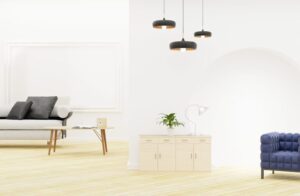
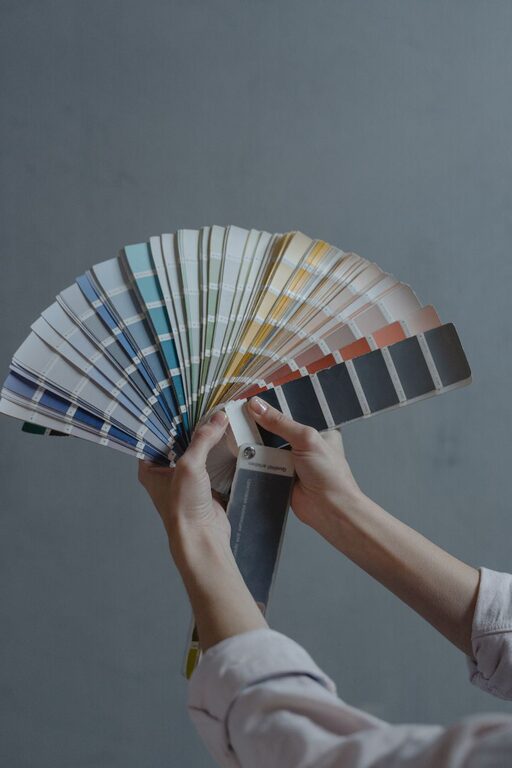
Creating a tranquil environment in your home often begins with the colours you choose for your walls and furnishings. Calm colours can have a profound effect on your mood, helping to reduce stress and foster a sense of peace. If you’re looking to refresh your home with soothing shades, this guide offers practical tips for selecting calm colours that suit your space and style.
Why Choose Calm Colours?
Calm colours are generally soft, muted, and easy on the eyes. They help create an inviting and restful atmosphere, ideal for spaces where you want to unwind or focus. Unlike bright, bold colours that energise or stimulate, calm shades promote serenity and balance.
Some common calm colours include:
– Soft blues
– Gentle greens
– Warm neutrals
– Light greys
– Pastel hues
Understand the Psychology of Colour
Before choosing your palette, it’s useful to understand how colours influence mood:
– Blues are often associated with calmness and clarity, making them perfect for bedrooms or bathrooms.
– Greens evoke nature and balance, ideal for living rooms or study areas.
– Neutrals such as beige, taupe, and soft greys create a warm and adaptable backdrop.
– Pastels like lavender or pale pink bring subtle softness without overpowering.
By considering these associations, you can pick colours that align with the mood you want to create in each room.
Assess Your Lighting
Lighting plays a crucial role in how colours appear. Natural light will change the perception of a paint colour throughout the day, while artificial lighting can cast different tones:
– North-facing rooms receive cooler, indirect light, so warmer calm colours may feel more inviting.
– South-facing rooms have bright, warm light; cooler tones like soft blues or greens can balance this.
– Artificial lighting varies from warm yellow to cool white; test paint colours with your lighting before committing.
Always sample paint colours on your walls and observe them at different times and lighting conditions.
Choose a Cohesive Colour Palette
To maintain a calm and harmonious home, select a colour palette that flows smoothly between rooms:
– Pick a base calm colour as your foundation.
– Use complementary shades or accents to add depth without overwhelming the senses.
– Use the 60-30-10 rule: 60% base colour, 30% secondary colour, 10% accent colour.
This approach creates balance and visual interest while keeping the overall feel peaceful.
Consider Texture and Finish
Colour isn’t the only factor in creating calmness; texture and finish also contribute:
– Matte or eggshell finishes tend to soften colours and reduce glare.
– Textured materials like linen curtains or woven rugs add warmth and dimension.
– Combine different materials and finishes in the same calm palette to avoid flatness.
Use Colour Psychology Room by Room
Certain rooms benefit from specific calm colours:
– Bedroom: Soft blues, lavender, or gentle greys promote restful sleep.
– Living room: Warm neutrals and muted greens create a welcoming atmosphere.
– Kitchen: Light greys or pale greens can be refreshing without being too energising.
– Bathroom: Soft blues or aqua shades evoke cleanliness and calm.
Tailoring colour choices to each space ensures the mood matches its function.
Don’t Forget Personal Preference
While guidelines are useful, your personal taste matters most. If you love a particular calm shade, find ways to integrate it through:
– Feature walls
– Accessories like cushions or throws
– Artwork or decorative items
This makes your home feel unique and comforting.
Practical Tips for Choosing Calm Colours
- **Test samples in your home:** Paint large swatches on different walls to see real effects.
- **Use paint apps or colour visualisers:** These tools help imagine colours in your space.
- **Limit bright accents:** Introduce soft pops of colour through accessories rather than walls.
- **Avoid overly grey tones:** Too much grey can feel cold; balance with warmer neutrals.
- **Consider the whole room:** Think about furniture, flooring, and textiles when selecting colours.
- **Take your time:** Choose colours over several days or weeks to avoid rushed decisions.
Final Thoughts
Selecting calm colours for your home is an excellent way to create a peaceful, welcoming environment. By understanding colour psychology, testing options in your lighting, and balancing finishes and textures, you can design spaces that support relaxation and wellbeing. Remember to tailor choices to your lifestyle and preferences for the best results.
With these tips, you’re well on your way to achieving a calm and soothing home atmosphere. Happy decorating!