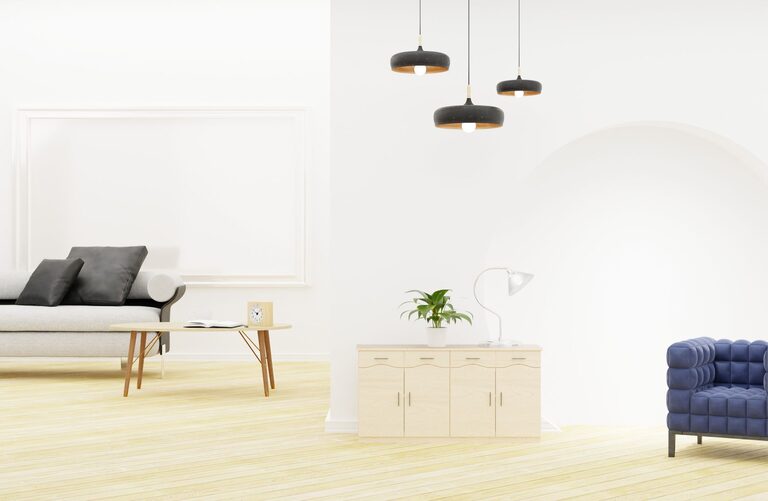
A dark room can feel cramped, dull and uninspiring. Whether it’s a living room, bedroom or study, a lack of natural light or poor lighting design can make a space feel smaller and less inviting. The good news is, there are plenty of quick and budget-friendly ways to brighten a dark room and transform it into a cheerful, welcoming space.
In this post, we’ll explore practical ideas that can be done with minimal effort and cost. From clever lighting solutions to smart colour choices and decorative touches, these tips will help you maximise light and create a fresh, airy atmosphere.
Understand the Sources of Darkness
Before diving into solutions, it helps to understand why a room might be dark. Common reasons include:
– Limited or no windows
– Small window size or obstructed windows
– Dark-coloured walls, floors or ceilings
– Heavy, dark furnishings
– Poor lighting placement or insufficient lighting
By identifying the cause, you can select the most effective strategies to bring light in.
1. Enhance Natural Light
Maximising natural light is often the simplest way to brighten a space. Here are some quick fixes:
Clear Window Areas
– Remove heavy curtains or replace them with sheer, light fabrics that allow light to filter through.
– Keep windows clean to let in as much sunlight as possible.
– Avoid placing large furniture in front of windows.
Use Reflective Surfaces
Mirrors are fantastic for bouncing natural light around the room.
– Position a large mirror opposite or adjacent to a window.
– Use reflective décor pieces like glass vases or shiny photo frames.
– Consider furniture with glossy finishes that reflect light.
2. Select Light and Bright Colours
Colours have a huge impact on how a room feels. Dark walls absorb light, while lighter tones help reflect it.
Paint Tips
– Choose pale colours such as soft white, cream, pale grey or pastel hues for walls and ceilings.
– For a quick update, consider painting just one wall in a bright or light shade to add a focal point.
– Use satin or eggshell finishes, which reflect more light than matte paints.
Floor and Furnishing Colours
– Lighter rugs, curtains and upholstery can counterbalance darker floors.
– Consider slipcovers or cushions in light shades to brighten furniture.
3. Optimise Artificial Lighting
When natural light isn’t enough, effective artificial lighting can make a big difference.
Layer Your Lighting
A mix of ambient, task and accent lighting adds dimension and eliminates dark corners.
– Use ceiling lights as the main source of ambient light.
– Add table lamps or floor lamps in seating areas for task lighting.
– Include accent lights like wall sconces or LED strip lights to highlight features.
Choose Bright, Warm Bulbs
– LED bulbs are energy-efficient and come in various brightness levels and colour temperatures.
– Select bulbs with a warm white tone (around 2700K to 3000K) for a cosy but bright atmosphere.
– Higher lumens mean brighter light—aim for bulbs with sufficient brightness for the room size.
Use Dimmers
Installing dimmer switches allows you to adjust light levels as needed, helping maintain a bright yet comfortable environment.
4. Minimise Clutter and Heavy Furnishings
Too many items or bulky furniture can absorb light and make a room feel closed in.
– Keep surfaces clear and organised.
– Choose furniture with slim profiles or light materials like glass and metal.
– Use multi-functional or storage furniture to reduce clutter.
5. Incorporate Bright Accessories
Adding bright, cheerful accessories is an easy way to lift the mood of a room.
– Use colourful cushions, throws or rugs in light or vibrant tones.
– Hang art or prints with light or bright themes.
– Bring in plants with bright green leaves to add freshness.
6. Use Transparent or Light Window Treatments
Heavy curtains can block light even when open.
– Opt for blinds or shades that can be fully retracted.
– Consider sheer curtains to soften light without blocking it.
– Layer window treatments for flexibility.
7. Keep Ceilings Light and Uncluttered
The ceiling can reflect or absorb light depending on its colour and finish.
– Paint ceilings white or a very pale shade to bounce light.
– Avoid heavy beams or dark ceiling décor that draws the eye upward and darkens the room.
8. Strategic Use of Metallics and Glass
Reflective materials add sparkle and light.
– Use metallic picture frames, lamps, or vases.
– Glass tabletops or shelves prevent light blockage.
– Choose light switch covers or other fixtures with a polished finish.
Final Thoughts
Brightening a dark room doesn’t have to mean a full renovation or expensive upgrades. By making thoughtful changes to lighting, colour, furnishings and décor, you can quickly uplift the space and create a more open, airy feel. Start small with simple swaps and observe how they enhance the room’s brightness and mood.
Try combining several of these tips together to maximise effect and enjoy your newly brightened room!