Composting at home is a fantastic way to reduce waste, enrich your garden soil, and contribute to a more sustainable lifestyle. If you’re new to composting, it might seem a bit daunting at first, but with some easy-to-follow tips, you can quickly get started and enjoy the benefits of your own homemade compost.
What Is Composting?
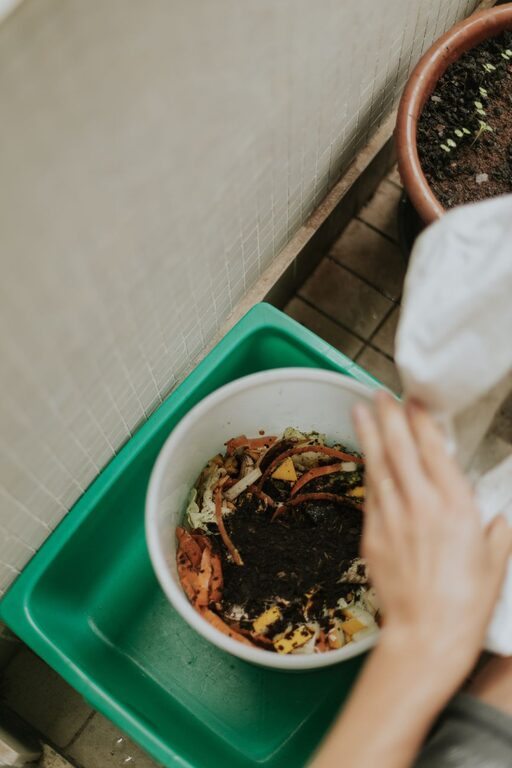
Composting is the natural process of recycling organic matter, such as food scraps and garden waste, into a rich soil amendment called compost. This compost can improve soil structure, provide nutrients, and help plants grow healthier.
Why Compost at Home?
– Reduces landfill waste: Food scraps and garden waste make up a significant portion of household rubbish. Composting diverts this material from landfill, reducing methane emissions.
– Enriches your soil: Compost adds vital nutrients and improves water retention.
– Saves money: You’ll spend less on chemical fertilisers and soil conditioners.
– Supports wildlife: Healthy soil attracts beneficial insects and microbes.
Getting Started: Choose Your Composting Method
Outdoor Compost Bins
These are suitable for people with gardens, offering a contained space for composting.
– Ready-made bins are widely available or you can build your own.
– Place the bin in a well-drained, partially shaded spot.
– Turn the compost regularly to aerate it.
Compost Tumbler
– A convenient option for faster composting.
– Easier to turn and manage.
– Ideal for smaller gardens or patios.
Worm Composting (Vermicomposting)
– Uses worms to break down food waste quickly.
– Suitable for indoors or small spaces.
– Requires a special worm bin and bedding material.
What Can You Compost?
Greens (Nitrogen-rich materials)
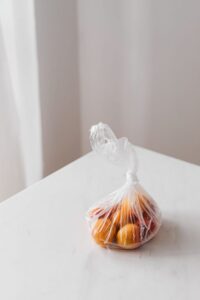
– Fruit and vegetable scraps
– Coffee grounds and tea bags
– Fresh grass clippings
– Plant trimmings
Browns (Carbon-rich materials)
– Dry leaves
– Straw or hay
– Cardboard and paper (shredded)
– Sawdust (untreated wood)
What to Avoid Composting
– Meat, fish, and dairy products (can cause odours and pests)
– Diseased plants
– Pet waste
– Oily or greasy food scraps
– Treated or painted wood
Tips for Successful Composting
1. Balance Greens and Browns
A good compost pile needs a mix of nitrogen-rich greens and carbon-rich browns. A rough rule of thumb is to aim for a ratio of about three parts browns to one part greens.
2. Chop or Shred Materials
Smaller pieces break down more quickly, speeding up the composting process.
3. Keep It Moist
Aim for a damp sponge-like consistency. If it’s too dry, composting slows down; if too wet, it can become smelly.
4. Aerate Regularly
Turn the compost every 1-2 weeks to introduce oxygen, which helps microbes break down the material efficiently.
5. Be Patient
Depending on the method and materials, compost can take anywhere from a few weeks to several months to mature.
How to Tell When Compost Is Ready
Finished compost looks dark, crumbly, and smells earthy. You shouldn’t be able to recognise the original scraps. When ready, use it to enrich your garden beds, potting mix, or as mulch.
Troubleshooting Common Issues
– Bad odour: Usually caused by too much moisture or lack of air. Turn the pile and add more browns.
– Pile is dry: Add water and some fresh greens.
– Slow decomposition: Chop materials finer, increase aeration, or add a compost activator.
Final Thoughts
Starting composting at home is simple and rewarding. By following these beginner tips, you’ll reduce waste, nurture your garden, and help the environment right from your doorstep. Give it a try—you’ll be amazed at how much you can achieve with a little effort and patience.
Happy composting!